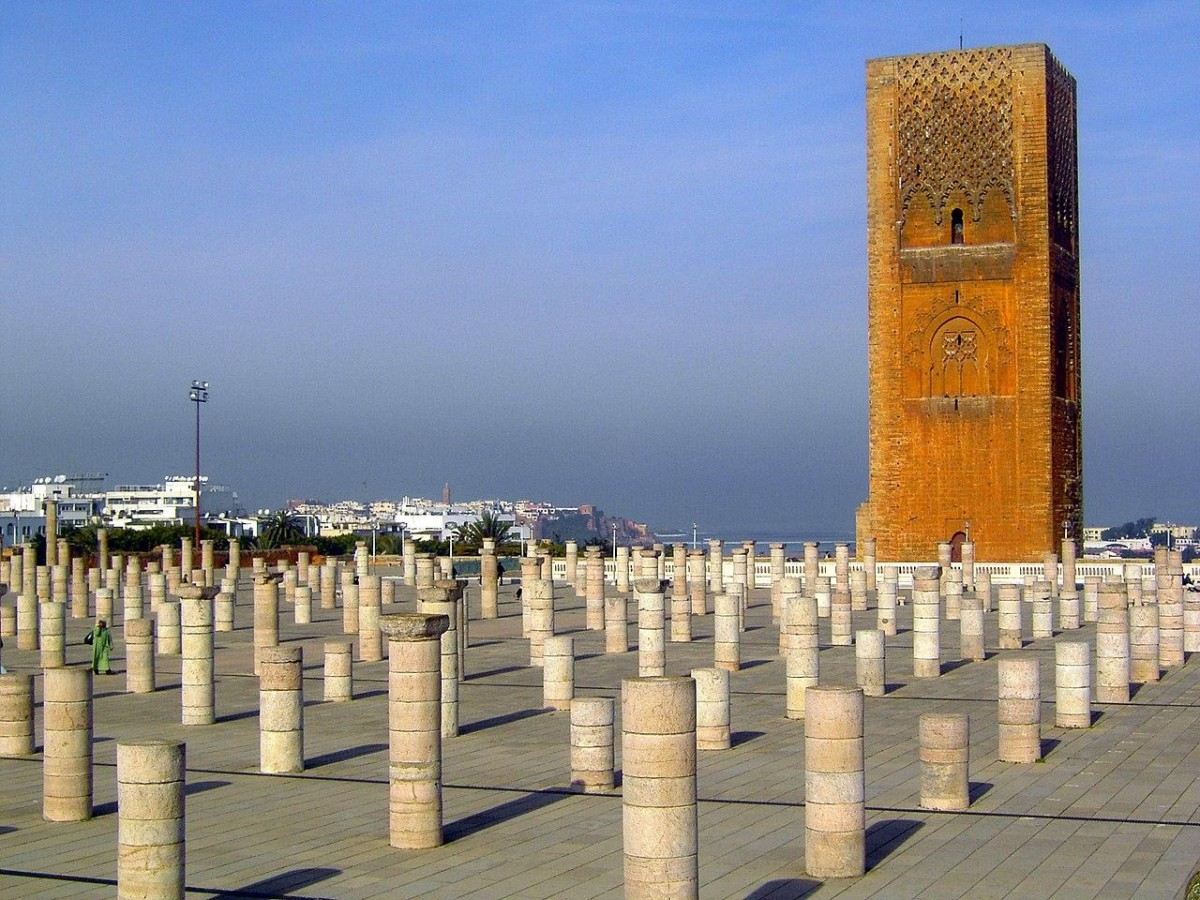
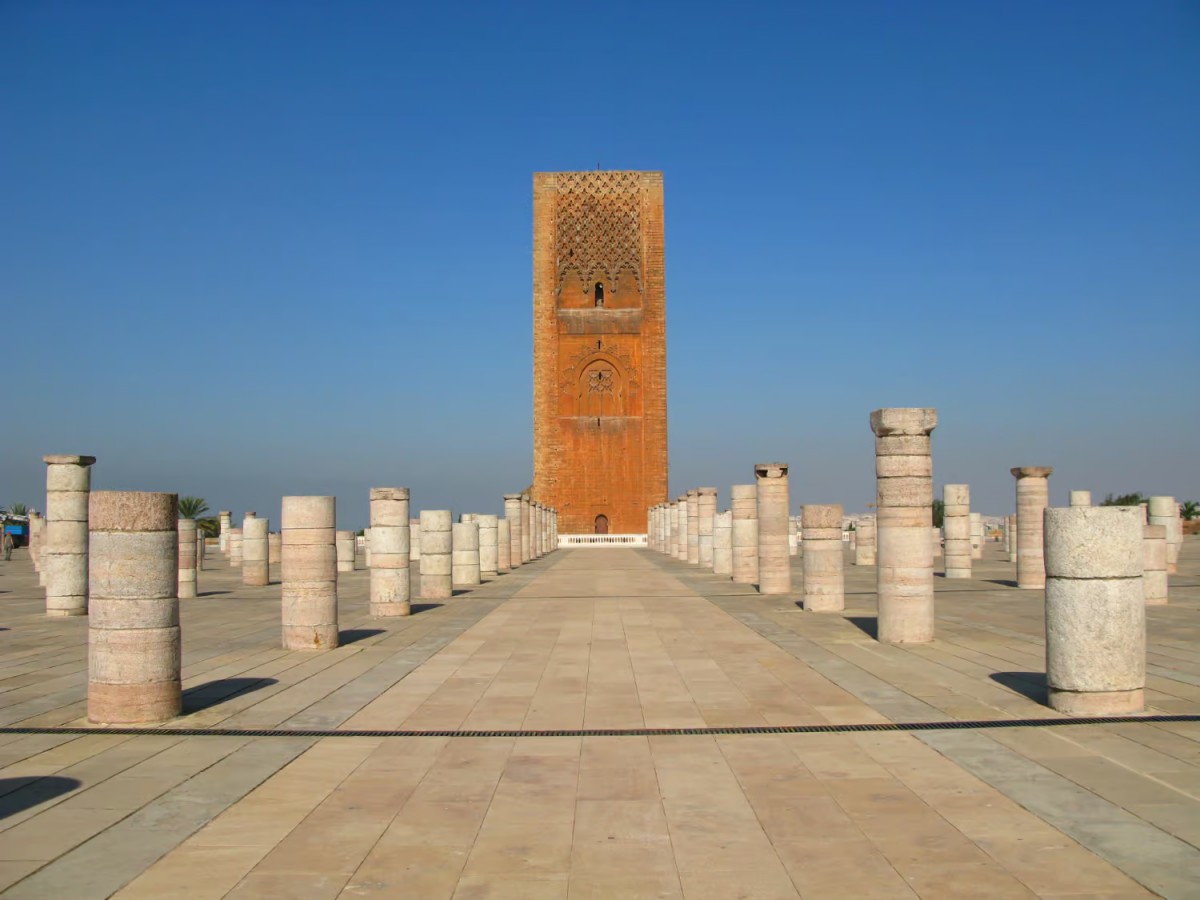
On the banks of the Bou Regreg River in Rabat, the capital of Morocco, an unfinished Islamic tower stands quietly in a tree-lined square, as if time has frozen here. This building, called Hassan Tower, has become one of the most iconic historical sites in Morocco with its incomplete body and mottled stone walls, and is called the "eternal ruin" by locals. It is not only a witness to the glorious past of the Almohad Dynasty, but also carries the spiritual memory of Morocco's national independence. When you stand under the tower, looking at the 44-meter-high tower and the 312 staggered stone pillars around it, you can seem to hear the whispers of history, telling the legendary story behind this "eternal ruin".
Advertisement
The construction of the Hassan Tower began in 1196, ordered by Yacoub al-Mansour, the Sultan of the Almohad Dynasty. The ambitious ruler planned to build it into the minaret of the Hassan Grand Mosque, the largest mosque in North Africa, with a height of 80 meters. After completion, it will become the tallest minaret in the Islamic world. The overall scale of the mosque is even more amazing. It is 183 meters long and 139 meters wide. It can accommodate tens of thousands of believers for worship at the same time. Its design combines the architectural styles of Andalusia and Morocco, and it can be regarded as the pinnacle of medieval Islamic architecture.
Advertisement
However, fate always seems to be against grand plans. In 1199, Sultan Mansur died suddenly on his way to Spain, and the project came to a standstill. His successors were busy dealing with the political crisis within the dynasty and the external military pressure, and had little interest in this unfinished building. To make matters worse, in 1775, a major earthquake with Lisbon as the epicenter affected Rabat, and the Hassan Grand Mosque was almost razed to the ground. The only remaining 312 stone columns and the unfinished Hassan Tower became the survivors of this disaster.
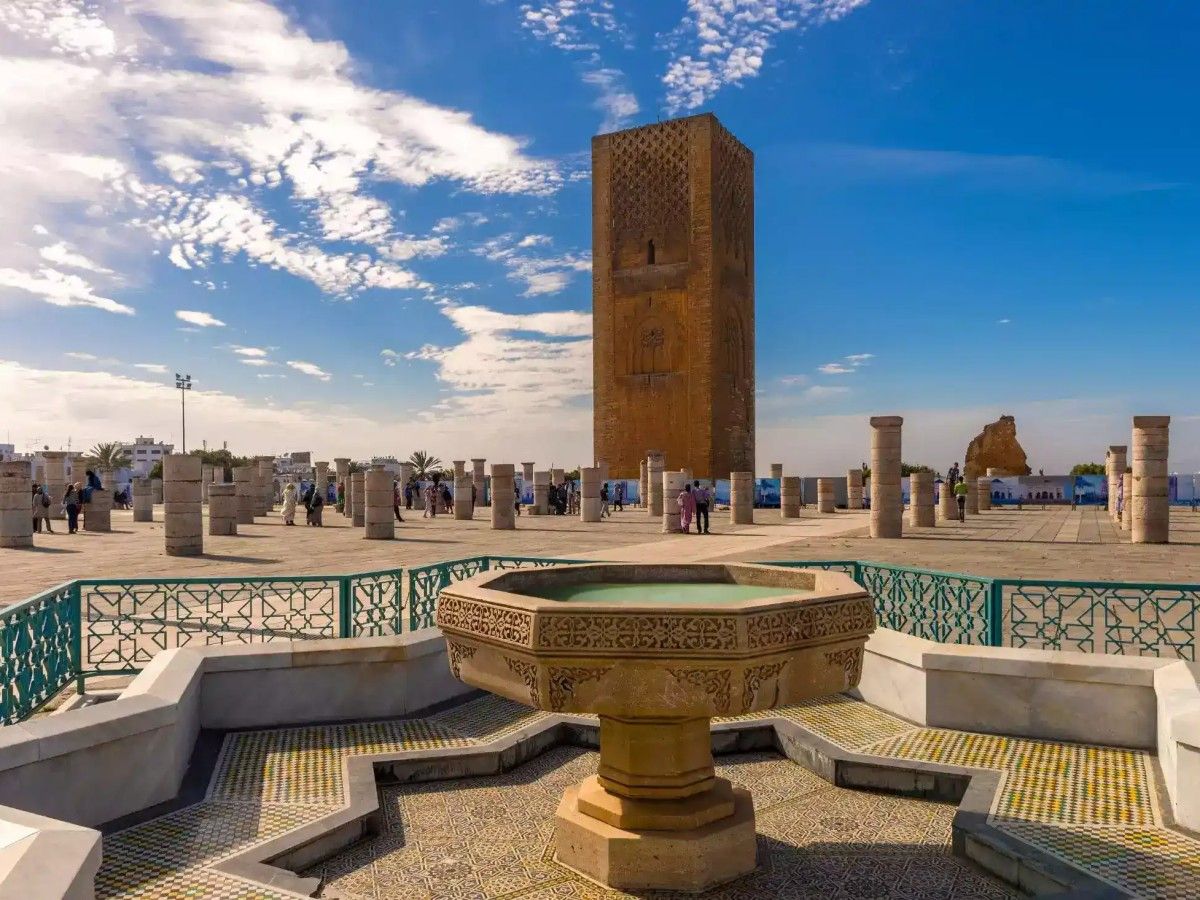
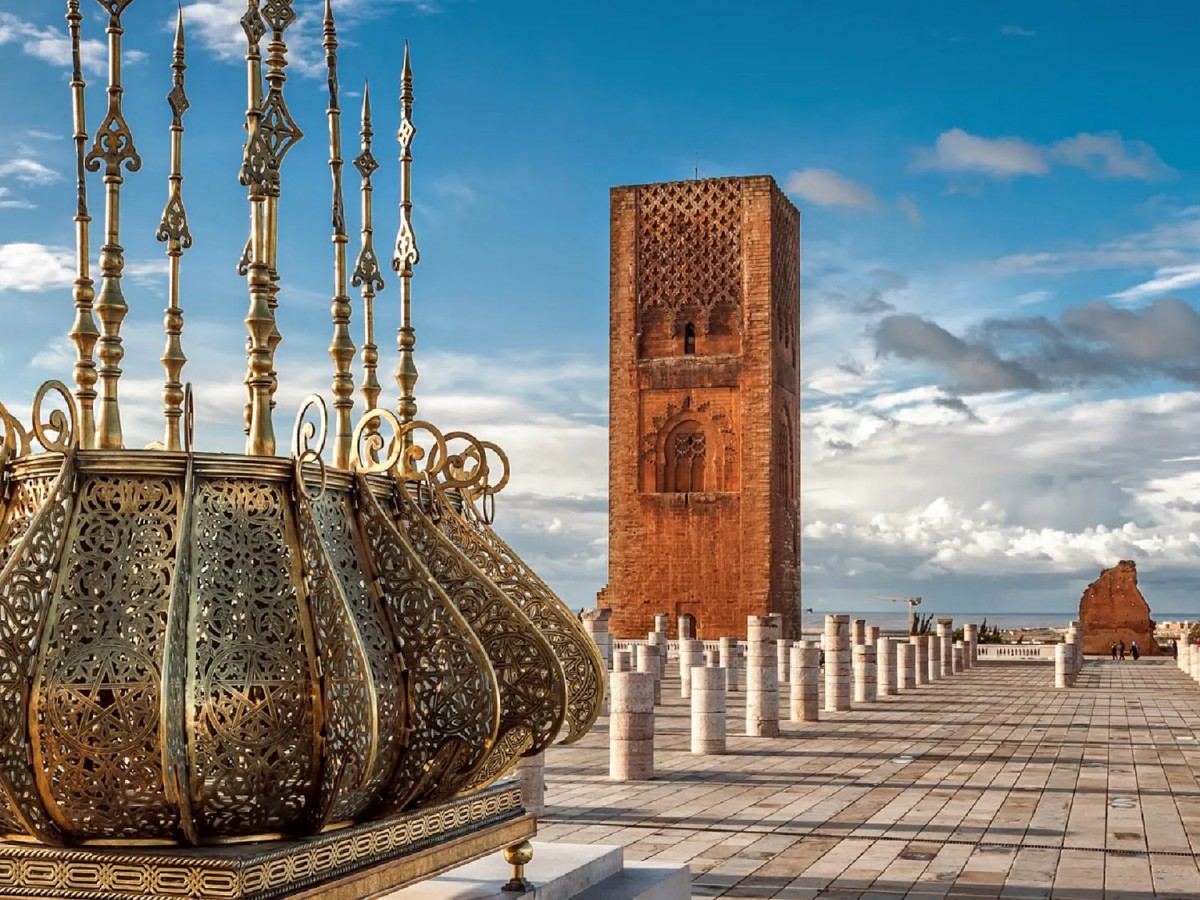
Although the Hassan Tower failed to complete the original design, its unfinished state unexpectedly created a unique aesthetic value. The tower is made of red sandstone, and the surface is carved with exquisite Sebka geometric patterns. This decorative element derived from Berber culture adds a mysterious and solemn atmosphere to the building. The side length of the tower base is 16.2 meters, the wall is 2.5 meters thick, and there is a spacious ramp inside for horses to climb directly to the top of the tower, which is extremely rare in Islamic minarets.
Advertisement
The six stone chambers in the tower are connected by arches. Each stone chamber has horseshoe-shaped windows and keyhole-shaped vents. The sunlight shines through these holes on the stone wall, forming mottled light and shadow, like a stage play through time and space. It is worth mentioning that the design of the Hassan Tower is known as the "Three Major Minarets in North Africa" together with the Giralda Tower in Seville and the Koutoubia Tower in Marrakech. Its architectural style has had a profound impact on later Islamic architecture.
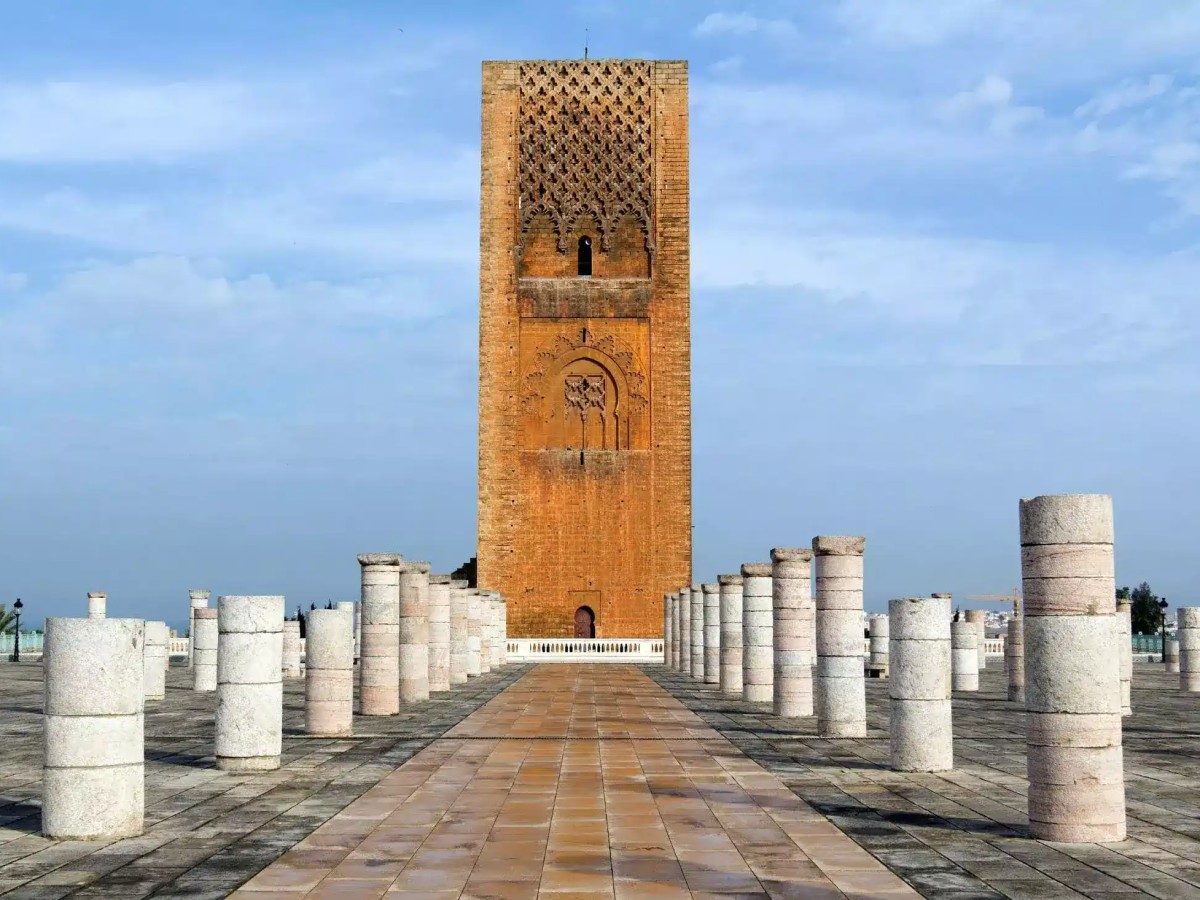
The significance of Hassan Tower has long surpassed the building itself. It has become a symbol of the Moroccan national spirit. In 1955, after returning from exile, Morocco's founding father Mohammed V held the first Friday prayer in front of Hassan Tower, declaring the country's determination to gain independence. Today, the Mausoleum of Mohammed V, which faces Hassan Tower across the square, is solemn and solemn with its white marble, which contrasts sharply with the incompleteness of Hassan Tower, and together they constitute the most important historical and cultural building complex in Rabat.
In 1995, Hassan Tower was included in the UNESCO World Heritage Tentative List, and its value has been internationally recognized. Every year, tens of thousands of tourists come here to walk between the stone pillars and feel the weight and desolation of history. When the sun sets, the golden afterglow shines on the tower, and the broken walls seem to be given life, telling the rise and fall of this country.
1. Best time to visit
Suitable for all seasons: Rabat has a Mediterranean climate, with hot and dry summers and mild and rainy winters. The spring and autumn seasons (April-May, September-October) have a pleasant climate and are the prime time for sightseeing.
Avoid peak hours: Every Friday from 12:00 to 15:00, some shops in the surrounding area will be closed for rest, so it is recommended to arrange your itinerary reasonably.
2. Transportation and tickets
Transportation methods:
Airplane: The new terminal of Rabat-Salé International Airport has been opened, with direct flights to cities including Paris, Madrid, and London.
In-city transportation: You can take a tram (6 dirhams one way) or a taxi (20-40 dirhams), and taxis need to pay attention to the meter.
Ticket information: Free and open, no reservation required.
3. Recommended surrounding attractions
Mausoleum of Mohammed V: Adjacent to the Hassan Tower, the white marble building is solemn and majestic, and is the resting place of the Moroccan royal family.
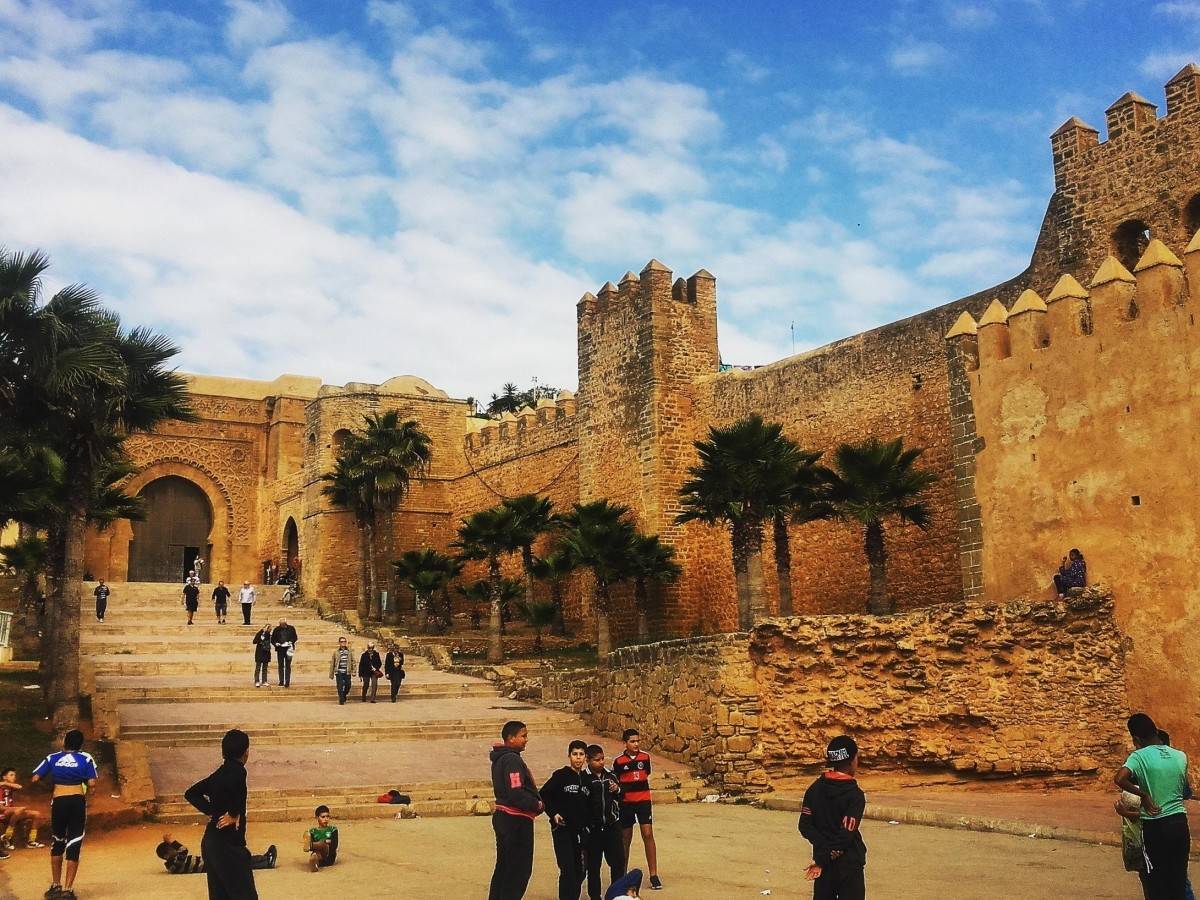
Udaya Castle: A military fortress built in the 12th century, the blue and white Andalusian gardens and the Atlantic Ocean view are intoxicating.
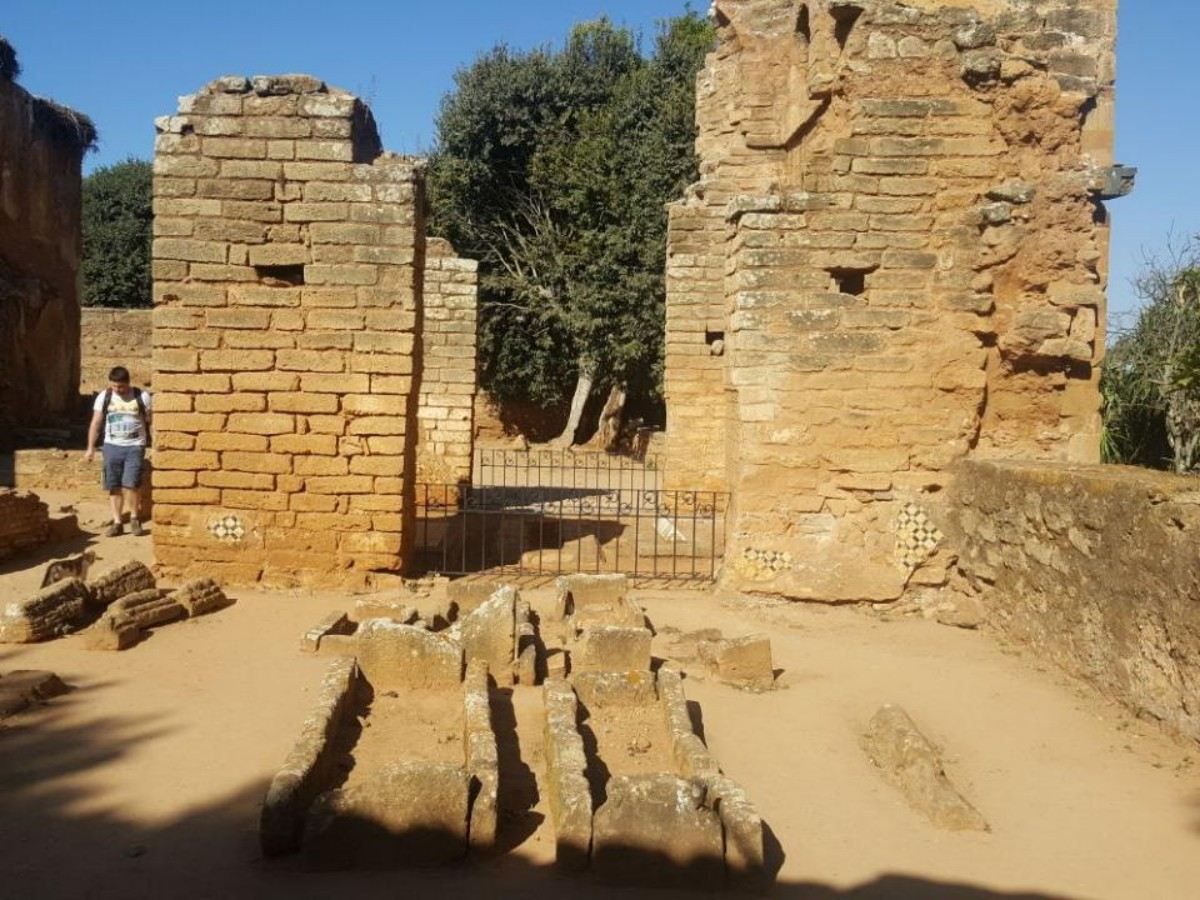
Chela Ruins: A site where ancient Roman and Islamic cultures blend together. In spring, you can see the unique landscape of white storks nesting.
4. Photography and dressing suggestions
Shooting tips:
At sunset: The golden sunlight gives Hassan Tower a warm hue, which is the best time to shoot silhouettes.
Frame composition: Use the blue arches or stone pillars of the mausoleum to frame Hassan Tower into the picture to increase the sense of layering.
Dressing suggestions: It is recommended to wear a solid-color long skirt or robe, which complements the quaint style of the building. At the same time, pay attention to respecting local culture and avoid exposure.
5. Accommodation and food
Accommodation options:
Economy hotels: 300-500 dirhams/night, such as Dar Naji, which provides a traditional Moroccan courtyard accommodation experience.
Mid-range hotels: 600-1000 dirhams/night. It is recommended to stay at a seaside hotel near Le Dhow Boat Restaurant, which offers beautiful views of the Atlantic Ocean.
Food recommendations:
Tajine: Dar Naji restaurant in Rabat is famous for its slow-cooked tagine. We recommend trying the chicken, lemon and olive flavor.
Mint tea: At the cafe in the Udaya Castle, order a cup of sweet mint tea with Moroccan desserts to experience the leisurely life of the locals.
The "eternal ruins" state of Hassan Tower is not only a masterpiece of natural power, but also a witness to human civilization. It reminds us that in the long river of history, grand plans may be interrupted for various reasons, but the traces left behind can transcend time and become the genes of culture.